


How Do I Prevent My Puppy from Developing Bad Habits?

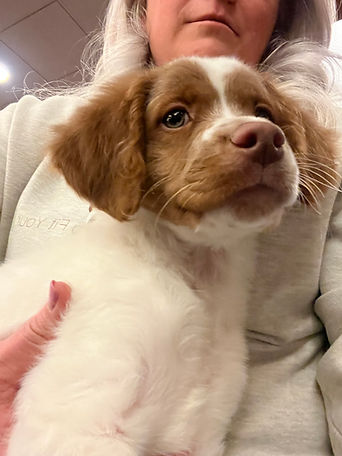
Bringing home a new puppy is exciting! Those little paws, playful personalities, and curious noses bring so much joy to a family. But along with the fun comes a lot of learning—for both you and your puppy.
One of the most common questions new puppy owners ask is, “How do I prevent my puppy from developing bad habits?”
The answer is simpler than you might think: Start teaching your puppy how to live successfully in your world from day one.
Puppies are constantly learning from their environment. Every interaction teaches them something about what works, what gets attention, and what is expected of them. The habits they develop now can influence their behavior well into adulthood, so the foundation you build during puppyhood matters.
1. Teach Your Puppy What You Want
It's easy to focus on stopping unwanted behaviors. We tell puppies not to jump, not to chew the furniture, not to bark, and not to pull on the leash. But have you taken the time to show your puppy what you would like them to do instead?
Dogs don't automatically understand our household rules. Your puppy doesn't know that chewing a shoe is wrong but chewing a toy is right. They don't know that jumping on Grandma isn't acceptable but sitting politely is.
These are skills we must teach.
Instead of waiting for your puppy to make a mistake, look for opportunities to reward good choices. Praise your puppy for keeping all four paws on the floor when greeting people, lying quietly on their bed, walking beside you, or choosing an appropriate chew toy.
The more often a behavior is rewarded, the more likely your puppy is to repeat it. Catch the good behaviors early, even when they seem small or insignificant.
2. Manage the Environment to Prevent Trouble
Puppies are naturally curious, energetic, and eager to explore. They use their mouths to investigate the world, and they haven't yet developed the impulse control needed to make good decisions consistently.
This means supervision and management are essential.
If your puppy has free access to the entire house, you're giving them plenty of opportunities to practice behaviors you may not want later. Chewing furniture, stealing socks, getting into the trash, and having accidents are all easier to prevent than to correct after they become habits.
Use baby gates, exercise pens, a properly introduced crate, and designated puppy-safe areas to limit access when necessary. Keep tempting items out of reach and provide appropriate toys and chew items.
When your puppy is out exploring, supervise them closely. If you cannot actively watch them, confine them in a safe, comfortable space, like their crate, where they can relax without getting into trouble.
Management isn't about restricting your puppy's life. It's about setting them up for success while they learn the rules.
3. Be Consistent With Your Expectations
Consistency is one of the most important parts of raising a well-mannered dog.
Consider jumping. If your puppy is allowed to jump on you when you're wearing jeans but gets corrected when you're dressed for work, the rules become confusing. If one family member allows begging at the table while another discourages it, your puppy will keep trying because the behavior sometimes pays off.
Decide early what behaviors are acceptable in your home and make sure everyone follows the same guidelines.
Think about questions such as:
Is your puppy allowed on the furniture?
Where should they sleep at night?
How should they greet guests?
What should they do while the family eats?
How will everyone respond when the puppy bites during play?
There isn't one set of household rules that works for every family. What matters is choosing rules that fit your lifestyle and communicating them consistently to your puppy.
4. Reward Calmness, Not Just Excitement
Puppies need exercise, play, and opportunities to explore, but they also need to learn how to settle down.
Many owners spend plenty of time teaching their puppies to sit, come, and play fetch, yet overlook the importance of teaching them to relax.
If your puppy constantly demands attention, jumps on people, or becomes increasingly wild when the family is busy, they may need help learning how to settle.
Start by noticing moments when your puppy is calm. If they lie down on their own, relax on a bed, or quietly watch the family, reward that behavior with calm praise or a small treat when appropriate.
You can also introduce a designated resting spot, such as a dog bed or mat, and gradually teach your puppy to relax there. Using a backtie or tether can be helpful.
Remember that puppies need plenty of sleep, too. An overtired puppy may become mouthy, frantic, or unusually difficult to manage. Your puppy's crate is a safe place for them to sleep overnight and nap during the day when you aren't able to supervise as soon as they wake up. A predictable routine that balances activity with rest can make a tremendous difference.
5. Teach Boundaries and Appropriate Behavior Early
Puppies don't automatically understand personal space, household boundaries, or how to respond to everyday situations.
They need guidance to learn that they cannot always demand attention, chase every moving object, greet every person, or investigate everything they encounter.
Teaching simple skills early can help prevent frustration as your puppy grows. Practice responding to their name, checking in with you, walking on a leash, waiting briefly before going through a doorway, and settling when asked.
These aren't just tricks. They are practical skills that help your dog navigate everyday life safely and successfully.
Boundaries should be clear, fair, and consistent. Pair them with guidance and reinforcement so your puppy learns what to do, rather than relying on repeated corrections after mistakes occur.
6. Remember That Training Starts Immediately
You don't have to wait until your puppy is six months old to begin training. In fact, the moment your puppy comes home, learning is already happening.
Everyday activities provide opportunities to build good habits. Mealtimes can teach patience. Walks can encourage engagement and leash manners. Play can teach appropriate interactions. Quiet time can develop the ability to settle independently.
Keep training sessions short, positive, and appropriate for your puppy's age and attention span. Focus on building skills gradually, practicing in different environments, and helping your puppy succeed before increasing distractions.
It's also important to remember that knowing a command in the kitchen doesn't mean your puppy will automatically respond in the backyard or around other dogs. Skills take practice in different situations.
If a behavior is becoming difficult to manage, seek help early rather than waiting for your puppy to outgrow it - which doesn't always happen. Some behaviors are normal parts of development, but they still benefit from thoughtful guidance.
Give Your Puppy the Best Possible Start
Raising a well-mannered dog isn't about expecting perfection from a young puppy. It's about creating good habits, providing structure, and consistently teaching your puppy how to make better choices.
The time you invest now can help prevent frustration later and create a stronger relationship between you and your dog.

Ready to get your puppy off to the right start?
Our puppy class helps owners build a strong foundation through practical training, clear communication, and age-appropriate skills. You'll learn how to guide your puppy through everyday challenges, encourage desirable behaviors, and develop habits that will benefit your family for years to come.
Don't wait for unwanted behaviors to become established. Start building the well-mannered companion you want today!
Sign up for our puppy class and give your puppy a head start on a lifetime of good behavior.


Comments